Communications systems and service providers
Next-generation networks delivered on time and on budget, easy to deploy, maintain and optimize.

When building a next-generation network, a service provider focuses on three fundamental goals: maximizing profitability, growing its market share and strengthening its competitiveness by launching innovative services and diversifying its revenue streams.
Reaching these goals means overcoming key network modernization challenges: emerging use cases, advanced architectures and the integration of new RAN bands. This requires more capacity, lower latency, more sites and an approach centered on network slicing.
To make the most of market opportunities it is essential to tackle these challenges in an agile and effective way: deploying services on schedule and on budget without compromising operational agility, and designing a network that is easy to deploy, maintain and optimize, able to meet the industry's current and future needs.
5G
The 5G NSA networks that deliver eMBB services today will evolve into 5G SA networks that add URLLC and mMTC services, on the 5G-Advanced path towards 6G networks.
Open RAN
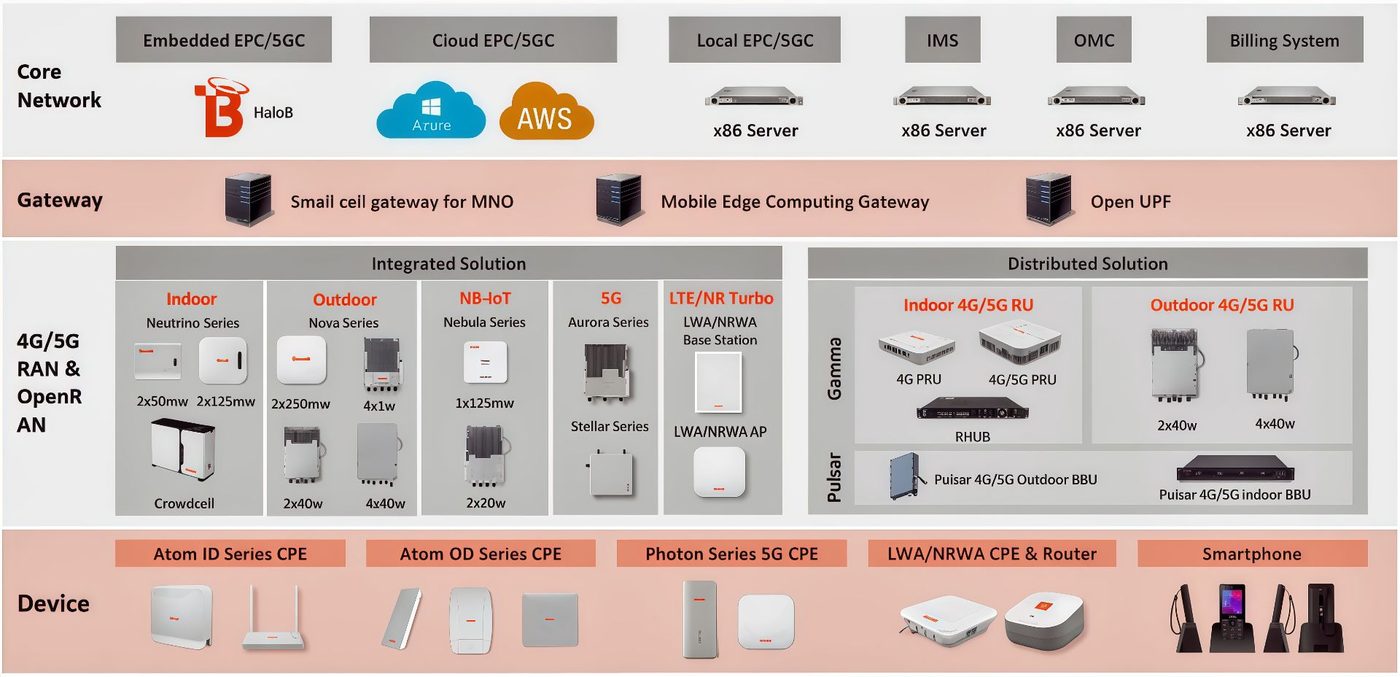
Second investment priority for mobile operators: 5G RAN (CU – DU – RU) and 4G RAN (BBU – RRU).
Cloud and MEC
They drive enterprise offerings over 5G networks with URLLC and mMTC services.
Private networks
Use of operators' spectrum and joint developments with integrators, versus the use of spectrum for verticals.
FWA
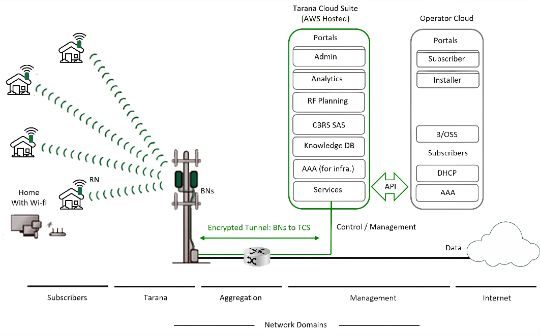
Driven by new 5G network rollouts, broader 5G coverage and the wide range of 5G devices.
FTTx
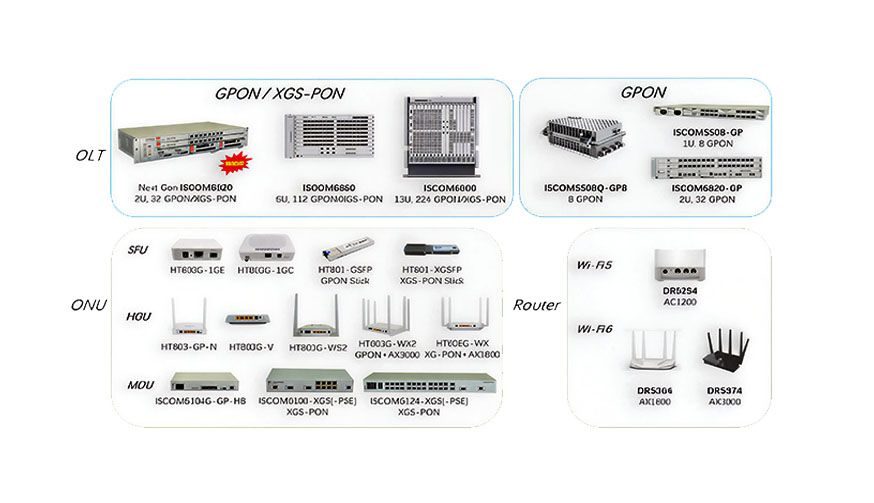
Driven by the demand for high-speed plans, the shutdown of legacy networks and governments that promote “digital societies”.
AI
Operators implement use cases for customer care, service personalization, marketing and troubleshooting.
Video streaming
Gradual disconnection from traditional pay TV (satellite, cable, DTT or IPTV) and agreements with streaming platforms.
Digital services
Bundling of digital services as a complement to telecommunications services: gaming, health, fitness, safe public services and smartphones.
IoT
Telecom operators acquire companies to expand their IoT customer base and carry out vertical integrations to broaden their solutions.
NaaS
Enterprise networks transitioning to a Network as a Service (NaaS) model, with the convergence of networking and cybersecurity under SASE, SD-WAN and ZTNA architectures.